Summary
At the Spring 2026 Townhall, the National Disability Center introduced its next research focus on disability disclosure and hosted a student conversation exploring how students navigate access and support.
The Spring 2026 Townhall marked the launch of the Center’s new online courses and introduced its next area of research focused on disability disclosure in higher education.
Building on National Report on Faculty Accessibility Practices, which examined how faculty shape accessibility in the classroom, this next phase shifts the focus back to students. It asks how students decide whether to disclose a disability and how those decisions influence access to support.
Through a student-centered conversation, the session connected national data with lived experience, offering a clearer picture of how disclosure shapes the student journey.
Disclosure Is Where Access Begins
Disclosure is often the first step in accessing support. However, the process is not always clear or consistent.
“We want to go in depth about disclosure and the decision making surrounding it,” said Stephanie W. Cawthon, PhD, Executive Director of the Center. “That decision is really a critical part of how access even begins to happen, whether it’s formal or informal. It really doesn’t matter. Disclosure is happening, and it’s a big part of the student experience on a college campus.”
The data shared during the Townhall highlights what we know already:
Students received a new disability diagnosis while in college
Students did not disclose their disability to anyone on campus
Disabled students in higher education who disclosed, shared information with an accommodations office
These findings show that while systems are built around formal disclosure, many students are navigating access in different ways.
Students Are Making Strategic Decisions
Disclosure is not automatic. Students weigh multiple factors before deciding if, when, and how to share their needs.
Before disclosing, students consider:
- How will disclosing help me?
- What did I gain last time? Was it worth it?
- Will they use it against me? Will it affect my grade?
- Why do they need this information?
These considerations reflect how disclosure is shaped by past experiences, perceived risk, and trust in institutional systems.
Students Show How Access Actually Happens
The Townhall featured a discussion led by Center Graduate Research Assistant Dalton Kendrick, joined by three students.
Their experiences illustrated how students navigate access in real time.
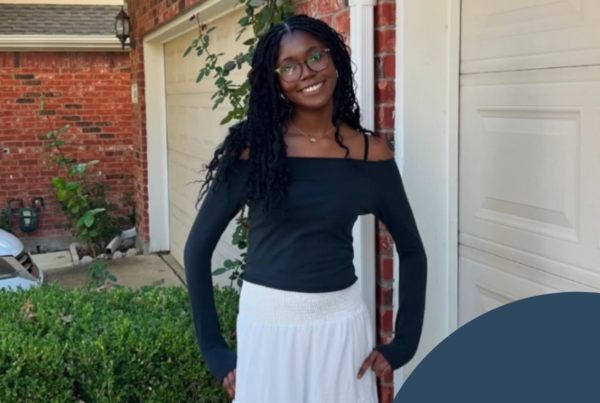
“The process ended up being so difficult and very winded,” said Ife Adekoya, Student Fellow at the Center. “I feel like students are able to get that same level of relief by just disclosing to their professors informally or just telling their friends.”
When formal systems feel difficult to navigate, students often look for more immediate options. These experiences help explain why informal disclosure often becomes a practical starting point.
Speed and Risk Shape Disclosure Paths
Students described how speed and risk influence where they choose to disclose.
Formal processes can take time, which may delay support when it is needed most.
“If you’re disclosing to a faculty member, you’re getting right to the heart of it,” said Jaxsen Day, Graduate Research Associate at UT Austin. “It doesn’t require as much paperwork, time, and people involved.”
At the same time, disclosing to peers can feel lower risk, allowing students to seek support without formal implications.
These pathways show that disclosure is not a single action. It is a series of decisions shaped by urgency and comfort.
Disclosure Looks Different for Every Student
Students emphasized that disclosure depends on individual needs and context.
“I think a lot of disclosure depends on what your needs are,” said Soren, Student Fellow at the Center.
Some students rely on institutional accommodations. Others find support through community, healthcare providers, or personal strategies.
This reinforces a key takeaway. Disclosure is not only about accessing services. It is also about navigating support across multiple environments.
Building Toward Better Understanding
The Spring 2026 Townhall reflects the Center’s continued approach to connecting research, student voice, and practical application.
With the launch of new online courses and a growing focus on disclosure, the Center is expanding how its research supports higher education institutions. This next phase will continue to center student experiences and translate findings into actionable resources that reflect how access actually unfolds.