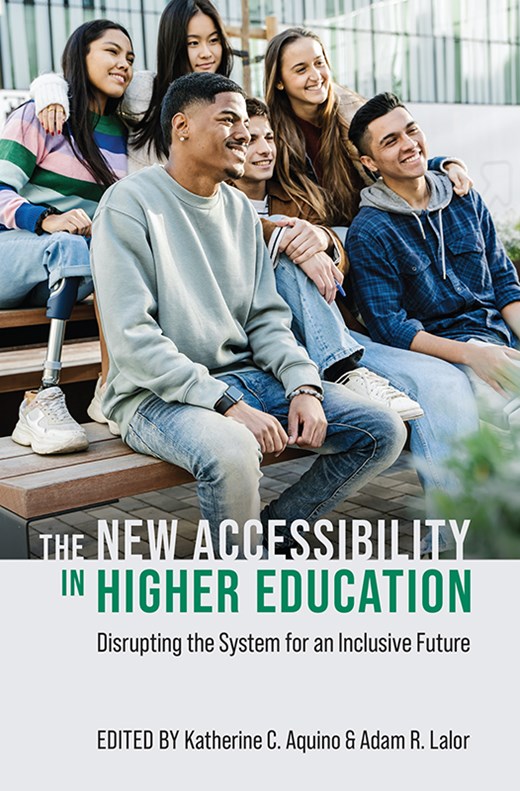


This national report from the National Disability Center examines how faculty practices shape the day-to-day experiences of disabled students across all postsecondary pathways, including career and technical training, 2-year community colleges, and 4-year programs. By centering faculty roles within broader institutional systems, the report addresses a critical gap between accessibility policy and classroom practice.
Access Leads to Achievement:
A National Report on Faculty Accessibility Practices
Much of what is known about accessibility in higher education fails to fully reflect how students experience learning in their classrooms.

This report also introduces the Faculty Accessibility Measure (FAM), the first national research measure designed to assess faculty confidence and institutional support related to accessibility. FAM provides an actionable framework for understanding how instructor practices and campus systems influence disabled students’ access to learning.
Report findings are based on a national FAM survey of more than 400 postsecondary instructors and in-depth, one-on-one interviews with faculty across disciplines and institution types.
What’s Inside:

Faculty Had Disabled Students Who Disclosed to Their Institution
Almost Half of Faculty Report a Disability


Faculty Reported Instances of Extra or Flexible Time Accommodations
Key Findings
Time Constraints Limit Faculty Who Seek Accessibility Training
Lack of time is a primary reason for not participating in available professional development, particularly when publication and grant pressures compete with teaching improvement efforts.
Yet, Faculty Worry About Being a Barrier to Success
Some faculty wondered if they could be more proactive in encouraging students to use approved supports.
Collaboration Matters More Than Strict Enforcement
Faculty emphasize the importance of students bringing their own solutions, reflecting a partnership model of accessibility.
Disability Status Increases Confidence, Not Support
Both disabled and non-disabled faculty perceive similar levels of institutional support, suggesting higher levels of confidence advantage stems from lived experience rather than school culture.
Leaving Faculty to Self-Learn Accessibility Strategies
Most faculty develop accessibility approaches through trial-and-error, class observations, or self-directed learning because structured guidance remains limited.
Top Recommendations to Improve
Accessibility on Campus
The findings in this national report offer U.S. postsecondary institutions clear evidence to strengthen accessibility in classrooms and across campus systems. This report can serve as a starting point for deeper data collection within individual programs or institutions. From instructors to staff members to administrators, each role influences how disabled students experience learning, persist in their programs, and complete their education and training.
For Faculty
For Institutions
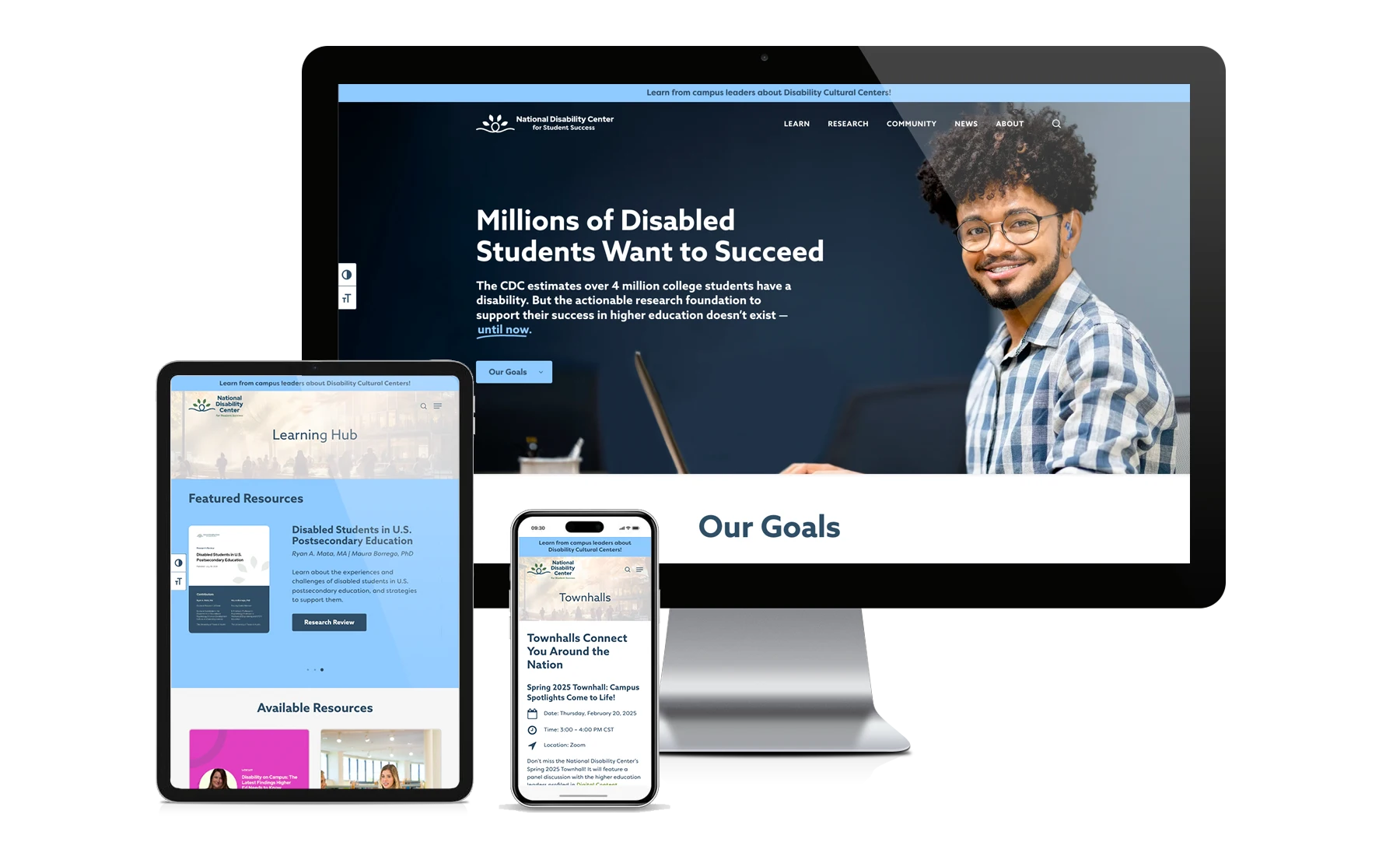

Companion Report for Researchers:
Faculty Accessibility Measure
In addition to this national report, there is a separate companion report for researchers, The Faculty Accessibility Measure: Toward Better Research and Understanding of How Faculty Shape Accessibility in Postsecondary Education. Along with the full survey instrument, the research companion details the measure development process, how disability constructs were operationalized, factor extraction and analysis, and survey administration procedures.
”I've had to do a lot of trial and error on my own, but I've also picked things up from mentors and colleagues along the way...Some of my colleagues are really good at this stuff, so I just watch what they do.
Biology Instructor