Summary
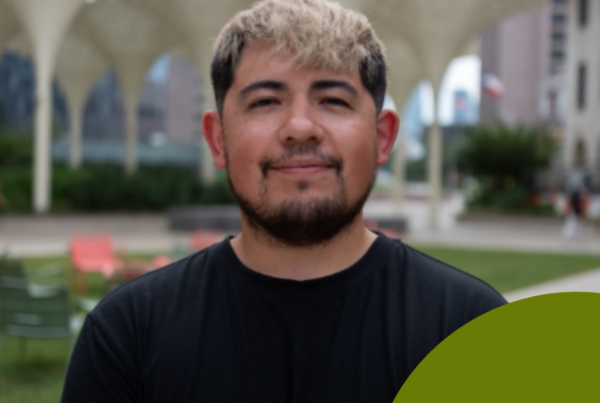
Research Assistant Joshua Andrade reflects on his transition from military service to college, the diverse experiences of student veterans, and how campus resources and community connections can support their success in higher education.

From Military Service to Higher Education
Returning to college after military service comes with a different set of experiences for every student veteran. For Joshua Andrade, a Research Assistant at the Center and an undergraduate student in the School of Social Work at The University of Texas at Austin, one of the biggest adjustments was learning how to be a student again after spending a decade away from formal education.
As one of the 62% of student veterans who are also first-generation college students, Joshua was excited to continue his education and pursue a degree in social work. However, the transition also brought uncertainty as he adjusted to academic expectations while learning how his Veterans Affairs (VA) education benefits fit within university requirements.
“One of my largest challenges was learning how to be a student again, and what it meant to be a college student,” Joshua shared.
His experience helped him better understand some of the challenges student veterans may encounter when entering higher education. He also recognized the strengths and perspectives they bring to campus.
Recognizing Different Student Veteran Experiences
While Joshua’s experience reflects some of the challenges of transitioning from military service to college, he emphasizes that no single story represents all student veterans.
Their experiences, circumstances, and needs vary widely. Some student veterans balance academics with employment, family responsibilities, disabilities, and other commitments.
According to a 2019 survey by Student Veterans of America (SVA), two in three student veterans reported having a disability rating from the VA. The VA also reports that one in three student veterans has an invisible disability. This includes post-traumatic stress disorder (PTSD), traumatic brain injury (TBI), major depression, or anxiety.
These differences highlight why understanding individual circumstances matters when considering how colleges and universities support student veterans. Recognizing their varied experiences can help institutions identify the resources and guidance students may need throughout their education.
Joshua also emphasizes the valuable contributions veterans make to higher education. Through their military experiences, student veterans bring leadership, teamwork, problem-solving skills, and different perspectives that can strengthen classroom discussions and learning experiences for both students and faculty.
Finding Community and Navigating Campus Support
Drawing from his own transition, Joshua encourages fellow student veterans to connect with campus veteran resource offices and student veteran organizations.
“Just as you leaned on your fellow Shipmates, Soldiers, Marines, and Airmen, you can lean on fellow student veterans and organizations,” he shared.
These connections can help students find community, understand their VA education benefits, and receive guidance on campus resources and disability accommodations.
Joshua also encourages universities to introduce these resources early. A veteran-specific orientation, for example, could connect students with academic advising, financial aid, disability services, and fellow student veterans before they begin navigating these systems independently. Making this information accessible from the start can help students focus more on learning and connecting with their campus communities.
For Joshua, supporting student veterans begins with recognizing both the strengths they bring to higher education and the different circumstances that shape their experiences. By making resources easier to navigate and creating opportunities for connection, universities can help student veterans build a strong foundation for their college experience.