Summary
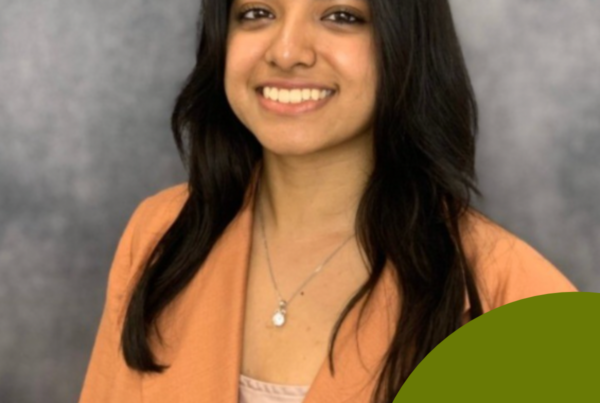
Meet Joshua Andrade, a Research Assistant whose experience as a veteran, first-generation student, and social work student shapes his interest in disability, accessibility, and student support in higher education.

Bringing a Veteran and Social Work Perspective to Disability Research
Joshua Andrade is a Research Assistant at the National Disability Center for Student Success and a student in the School of Social Work at The University of Texas at Austin. He is a non-traditional, first-generation student and a U.S. Army veteran who served for seven years before beginning a new academic and professional path.
After leaving the Army, Joshua worked in IT, but realized he missed working with and supporting service members. That realization led him to return to school at Austin Community College before transferring to UT Austin. Now in his senior year of the Bachelor of Social Work track, Joshua hopes to pursue a Master of Science in Social Work, become a Licensed Clinical Social Worker, and work with veterans and military families.
For Joshua, disability and accessibility are connected to both his lived experience and his future work as a social worker.
“Many student veterans face unique challenges in higher ed, as many are first-generation and may have service-connected disabilities that they will now have to navigate in these spaces.”
Why the Center
The Center drew Joshua in because he wants to better understand disability at the institutional level, especially within higher education. He also saw the Center as a place to grow his research skills and work alongside others who care about improving support for disabled students.
His work at the Center also connects directly to his social work training. Joshua shared that what he learns through the Center will carry into his future practice, where he expects to work with people across individual, community, and systems-level settings.
As a Research Assistant, Joshua is currently:
- Assisting Dalton Kendrick’s research on factors that influence disability disclosure at the institutional, staff, and peer levels in higher education.
- Cleaning interview transcripts in preparation for coding.
- Supporting qualitative research that centers student stories from across the country.
Learning Through Stories and Qualitative Research
The qualitative side of research interests Joshua because it lets him learn directly from students’ experiences. In his current role, he helps prepare interview data so the research team can better understand what students shared and identify themes across those conversations.
Before joining the Center, Joshua gained experience working with communities in schools and the Texas Youth and Parent Helpline. Through those roles, he began developing skills in active listening, advocacy, and crisis intervention.
Those skills continue to shape how he approaches research and future social work practice. Joshua sees social work as a field grounded in collaboration, respect, and the belief that people should have a voice in the changes that affect their lives.
“As social workers, we want to empower and collaborate with our clients and the communities we work with.”
Navigating Disability Disclosure in Higher Education
Joshua’s connection to the Center’s mission is also personal. As a veteran with service-connected disabilities, he shared that navigating the accommodations process was difficult, especially as a first-generation student. He also had to work through stigma and barriers when deciding how to talk with professors about his disability.
That experience gives him a personal connection to the research he is supporting on disability disclosure. It also informs how he thinks about student support, especially for students who may be entering higher education without a clear roadmap for accommodations, disclosure, or institutional processes.
For those new to disability research or accessibility advocacy, Joshua emphasizes the importance of staying open to perspectives that may differ from your own.
“Just because you met one person with a disability does not mean you know that disability.”
His advice reflects an important part of the Center’s work: students’ experiences are shaped by many parts of their lives, and meaningful support begins with listening closely.
Looking Ahead
Joshua hopes his time at the Center will deepen his understanding of disability and accessibility in ways he can bring into the School of Social Work and his future practice in Austin communities. He is also thinking ahead to his work with veterans, many of whom have or may develop disabilities and must navigate daily interactions with peers, institutions, and support systems.
During his time at the Center, Joshua is eager to learn from peers and researchers with different backgrounds and areas of expertise. He also hopes to better understand the full research process, especially because he may want to conduct his own research in the future.
To Joshua, the Center is a place to learn from different perspectives.
“Everyone’s input is valued, and we are able to learn so much from each other.”
Through his role as a Research Assistant, Joshua brings together military experience, social work training, disability experience, and a commitment to supporting students whose stories are not always fully understood. His path reflects the importance of connecting research with practice, especially for students navigating disability, disclosure, and belonging in higher education.