Summary
Dr. Stephanie Cawthon’s keynote at the Ohio State University highlighted the importance of an “Accessibility Mindset”, urging campuses to move beyond compliance and towards building systems that prioritize student success at every level.

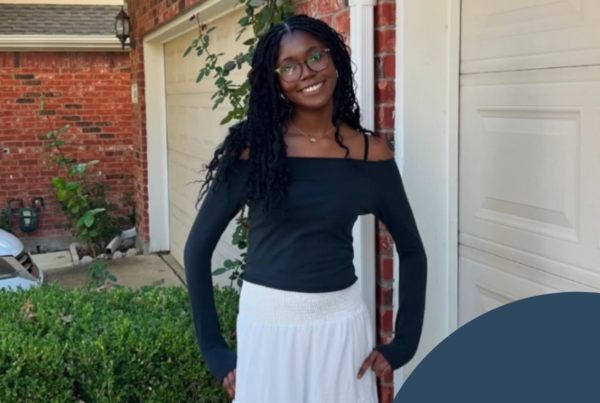
Photo Credit: Kristin Wickham-Saxon
Last month, Stephanie W. Cawthon, PhD, Executive Director of the National Disability Center, delivered a keynote at The Ohio State University titled “The Accessibility Mindset: Building Pathways to Success for All Students.”
The session invited participants and speakers to rethink accessibility in higher education not as a checklist of tasks, but as a mindset woven into every aspect of the student experience. Drawing from her extensive research with postsecondary students with disabilities and leading groundbreaking research at the Center, Dr. Cawthon shared lived experiences, debunked myths, and offered concrete strategies that resonated with both faculty and staff.
Participants engaged in conversation centered around disability statistics and findings. The data on mental health, often a hidden population on campus, sparked surprise but also inspired action. Dr. Cawthon emphasized that accessibility cannot stop at accommodations. Faculty play a pivotal role in whether students feel welcomed on campus, and disclosure remains complex as not all students want to be tracked as disabled.
Key Takeaways from the Keynote
- Beyond Compliance: Accessibility cannot stop at the Americans with Disabilities Act. Students want more than compliance, they want systems that reflect true understanding, flexibility, and care.
- Centering Student Voices: Insights from the Access Leads to Achievement: A National Report on Disabled College Student Experiences underscored the importance of listening to students directly. Their perspectives provide a roadmap for institutional change.
- Culture Shift: The keynote highlighted how accessibility, when embraced as a mindset, has ripple effects on student success, faculty practices, and campus culture.
Practical Strategies for Institutional Change
Dr. Cawthon emphasized that accessibility must extend beyond compliance to create a culture of belonging across all areas of higher education.
At Ohio State, the conversation focused on practical ways institutions can strengthen support for disabled students, particularly through faculty engagement and student retention–focused planning.
She shared three key resources that help leaders take action:
These strategies connect directly to a broader priority in higher education, which is retention. Retention is not distributed equally across all disabilities, underscoring the need for tailored strategies. Dr. Cawthon pointed out that the 2024 Persistence and Retention report found that the persistence rate rose 0.8 percentage points to 76.5%, while the national retention rate rose one full percentage point to 68.2%. Insights from disabled students can continue to strengthen retention frameworks that benefit all learners.
Looking Ahead
Finally, the keynote prompted broader campus conversations: from admissions pipelines and local partnerships to leveraging AI initiatives in student support. Faculty development, leadership networks, and digital accessibility were also identified as critical areas of growth.
As Dr. Cawthon emphasized, building an accessibility mindset requires coordination, creativity, and a willingness to rethink long-standing practices. Accessibility is not an add-on; it is a foundation for academic excellence and student success.