Summary
Faculty can’t address every accessibility barrier alone, and students offer valuable insight into their learning experiences. By working together through two-way communication, faculty and students can create more accessible and responsive classrooms.

In higher education, faculty members are essential contributors to an equitable and accessible learning environment. They may be asked to create accessible course content, support students with diverse access needs, foster a sense of belonging, and address barriers that hinder student success. Yet institutions do not always provide the resources and training necessary to implement accessible practices.
However, there is one resource already present in the classroom: the students themselves. Supporting faculty through student partnerships can be one of the most powerful and valuable tools in creating an accessible classroom. Learn more about best practices from disabled students for faculty and staff here.
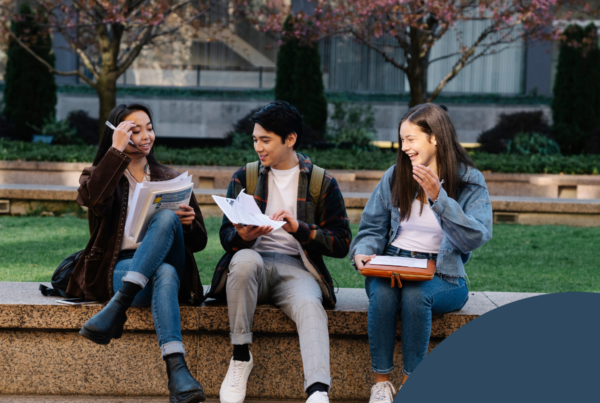
Involving students as partners in the classroom can alleviate some of the pressure on faculty members to be the sole stakeholders in identifying and solving every challenge. Instead, engaging students as collaborators can provide insights into their experiences. They can help identify barriers and contribute ideas to improve teaching and learning. More importantly, this does not mean asking students to teach faculty how to do their jobs. Or expecting students to disclose this disabilites. Rather, this approach recognizes that students possess knowledge about their own learning experiences and navigating inaccessible course structures.
Students can not only provide valuable insights to faculty but also help inform and streamline efforts to create more accessible classrooms. By prioritizing two-way communication, faculty and students can work together to foster more open, responsive, and collaborative classroom environments. A lack of communication can potentially hinder faculty from understanding their student’s access and learning needs. Institutions can create structures where faculty expertise and student experience inform one another. Faculty shouldn’t have to figure out every accessibility challenge alone. Students shouldn’t have to advocate for every solution alone.
Partnership provides a middle ground: a collaborative process where different forms of knowledge inform the work. Treating students as partners in improving their education, rather than as recipients of it, means everyone has the opportunity to learn, including those doing the teaching.